
Choosing how to transport your little ones is one of the biggest milestones in a bicycling parent's journey. It’s not just about getting from point A to point B; it’s about those giggles in the wind, the shared snacks, and the peace of mind that comes from knowing they are safe.
Two main contenders dominate the "school run" and weekend park trips: the Cargo Bike and the Bike Trailer. Both offer wonderful ways to leave the car behind, but they cater to very different family rhythms. Let’s dive into which one might be the perfect fit for your family.
Introduction: Choosing the Best Way to Carry Your Precious Cargo
As a parent, your primary concern is always safety. When you transition from a standard bike seat to a more robust hauling system, you’re looking for stability, protection, and comfort. Whether you’re leaning toward the sleek integration of a cargo bike or the versatile "pod" of a trailer, both options open up a world of adventure for your toddler.
Prioritizing Safety and Comfort for Your Little Ones
Safety isn't just about a helmet; it's about the structure surrounding your child. Toddlers have specific needs—they need neck support, they need to be shielded from the sun, and they need to feel secure so they can enjoy the ride without fear.
Exploring the World of Cargo Bikes: A Stable Front-Row Seat
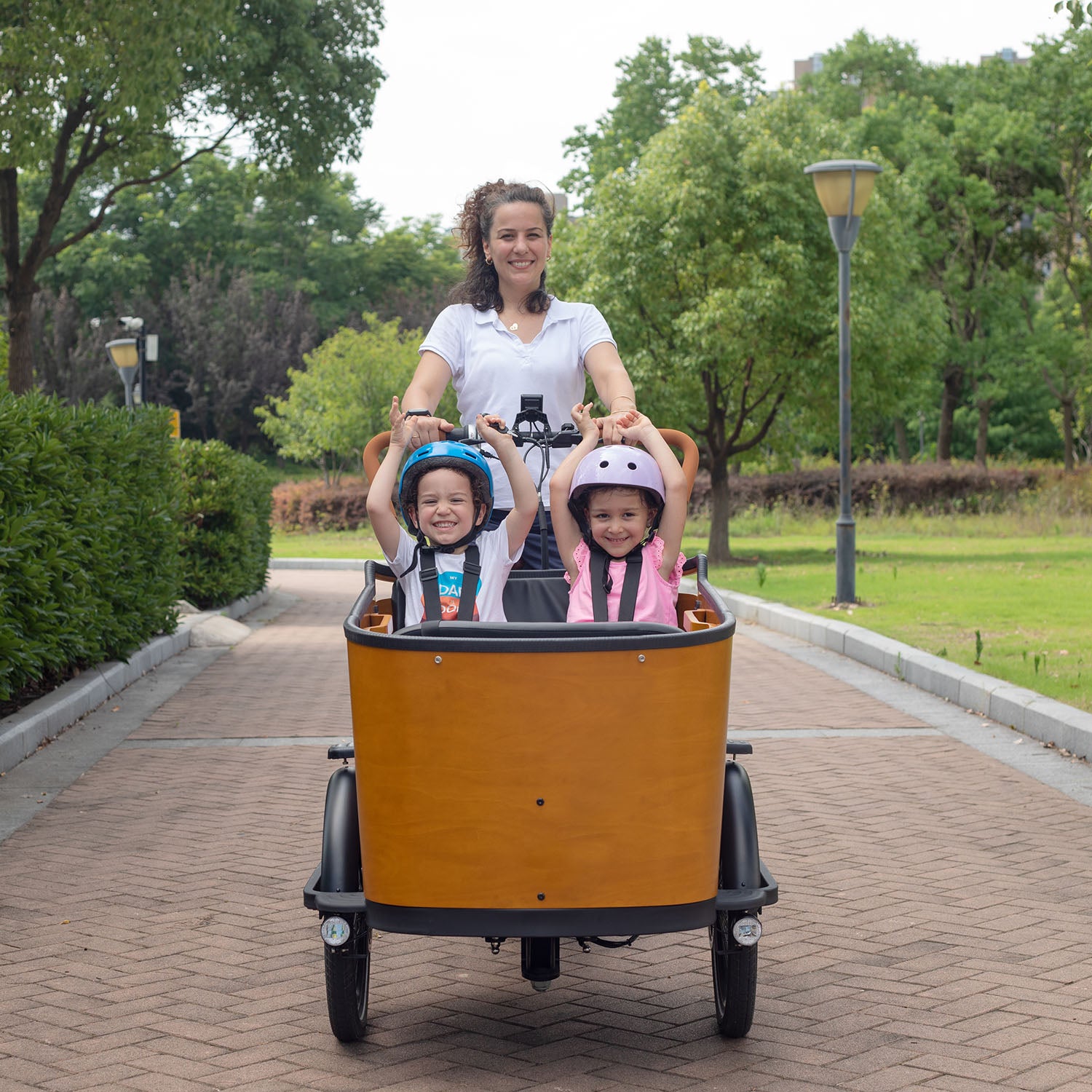
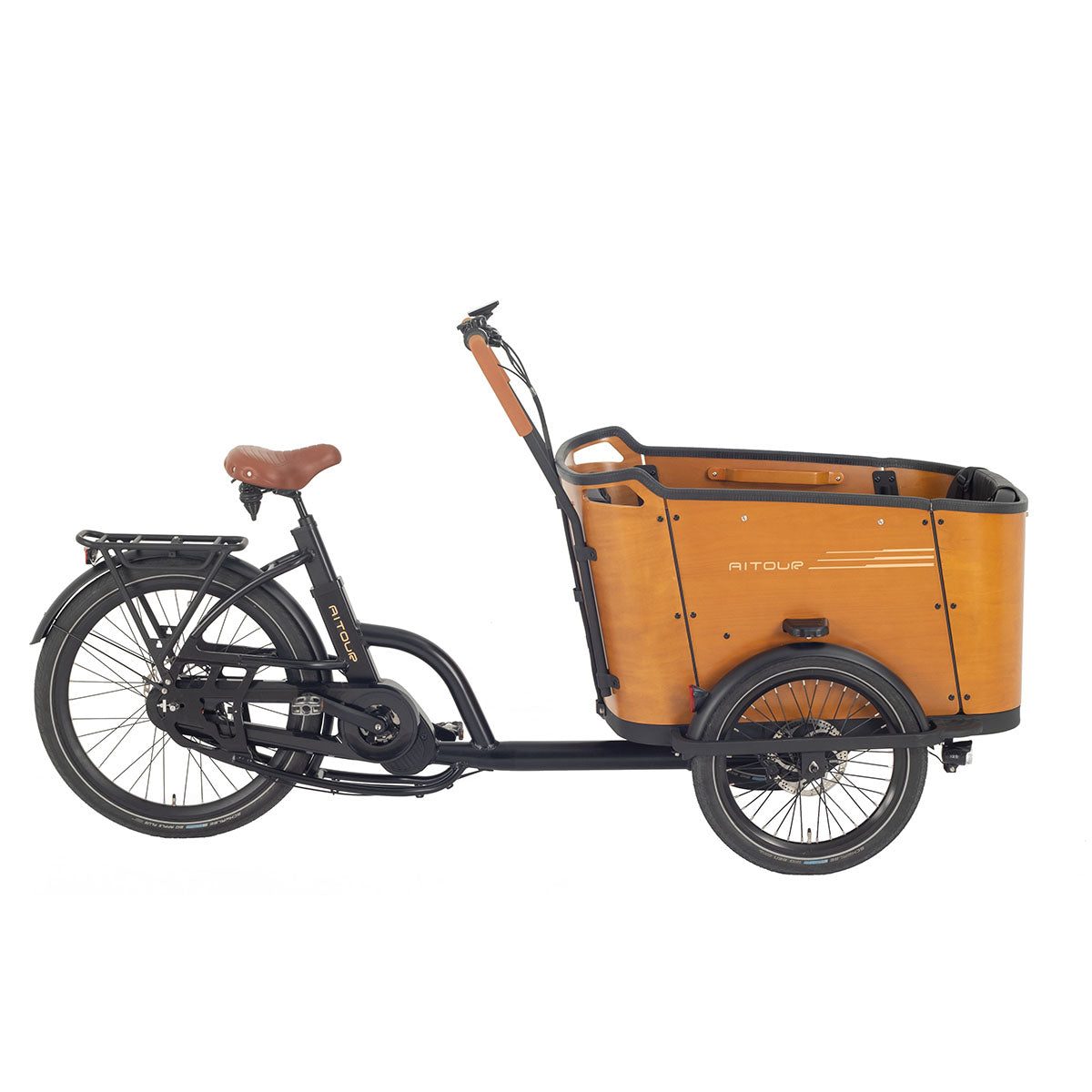
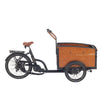
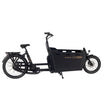
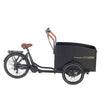
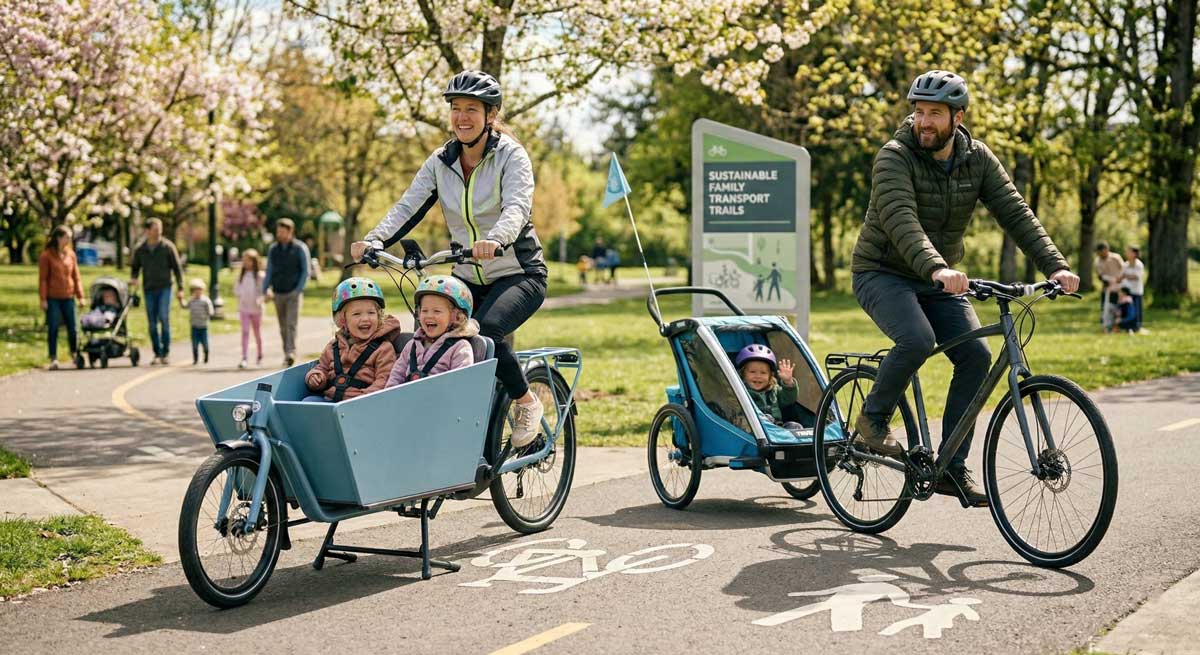
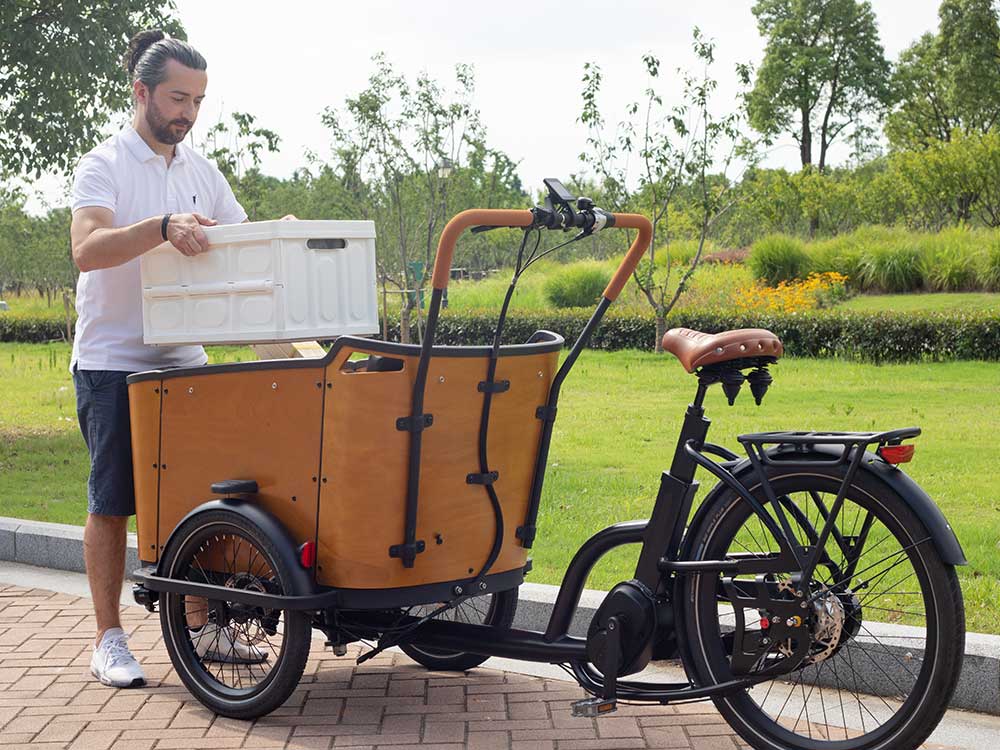
Cargo bikes, especially the "Bakfiets" or front-loaders, have surged in popularity for a reason. They turn the bicycle into a primary vehicle, often replacing the need for a second car.

The View from the Box: Why Toddlers Love Being Up Front
There is something magical for a child about being in the "front row." In a front-loading cargo bike, your toddler isn't staring at your back; they are seeing the dogs, the trees, and the construction trucks exactly when you do. This makes the ride an interactive journey rather than just a commute.
Integrated Safety Features: Specialized Belts and Sturdy Frames
High-end cargo bikes like the Urban Arrow or Tern GSD come with 3-point or 5-point harnesses designed specifically for children. Because the box is part of the frame, it acts as a protective "cockpit" made of EPP foam or wood, providing a significant crumple zone.
Maneuverability and Control: Handling a Heavy Load with Ease
While they look large, cargo bikes are engineered for balance. A front-loader has a very low center of gravity, meaning it’s actually harder to tip over than a standard bike.
The Interactive Experience: Keeping an Eye on Your Child While Riding
This is perhaps the biggest "pro" for cargo bikes. You can see if your toddler is falling asleep, losing a shoe, or about to throw their juice box. You can talk to them without shouting over your shoulder, fostering a beautiful bond during every ride.
The Versatility of Bike Trailers: A Cozy and Familiar Retreat
If you already have a bicycle you love, a trailer like a Thule Chariot or Burley Bee might be your best friend.

The Protective Bubble: Guarding Against Wind, Rain, and Bugs
Trailers are essentially little tents on wheels. They usually come with built-in mesh screens for airflow and clear plastic covers for rainy days. This "bubble" keeps toddlers warm and dry, even when the weather turns sour.
Flexibility for Families: Transitioning from Ride to Stroll
Many modern trailers are "multi-sport." With a quick click, you can detach the trailer from your bike and pop on a front wheel to turn it into a high-end stroller. This is a lifesaver for trips to the zoo or grocery store.
Safety Standards: Roll Cages and Low Centers of Gravity
Quality trailers are built with internal aluminum roll cages. If the bike falls, the hitch usually has a flexible connector that allows the trailer to stay upright. Even if the trailer were to tip, the cage is designed to protect the passenger.
Storage Beyond the Toddler: Room for Diapers, Snacks, and Toys
Most trailers have a "trunk" space behind the seats. It’s the perfect spot for a diaper bag, a picnic blanket, or those "must-have" stuffed animals that toddlers refuse to leave behind.
Side-by-Side Comparison: Direct Safety Factors

Visibility on the Road: Which Option Do Drivers See Best?
Cargo bikes are large and unusual, which often makes drivers give them more space. Trailers sit lower to the ground, so a tall orange safety flag is an absolute necessity to ensure you are visible to SUVs and trucks.
Stability During Stops: Preventing Tips and Tumbles
Cargo bikes use heavy-duty double kickstands that make the bike feel like a parked car—totally stable for loading a wiggly toddler. With a trailer, you have to be careful that your parked bike doesn't tip, which could pull the trailer hitch.
Braking Power: Managing Weight for a Gentle Stop
Cargo bikes almost always come with hydraulic disc brakes to handle the weight. If you use a trailer, ensure your personal bike has strong brakes, as you’ll be stopping an extra 80–100 lbs of weight behind you.
Comfort and Logistics for the Parent
Effort and Ease: How Electric Assist Changes the Game
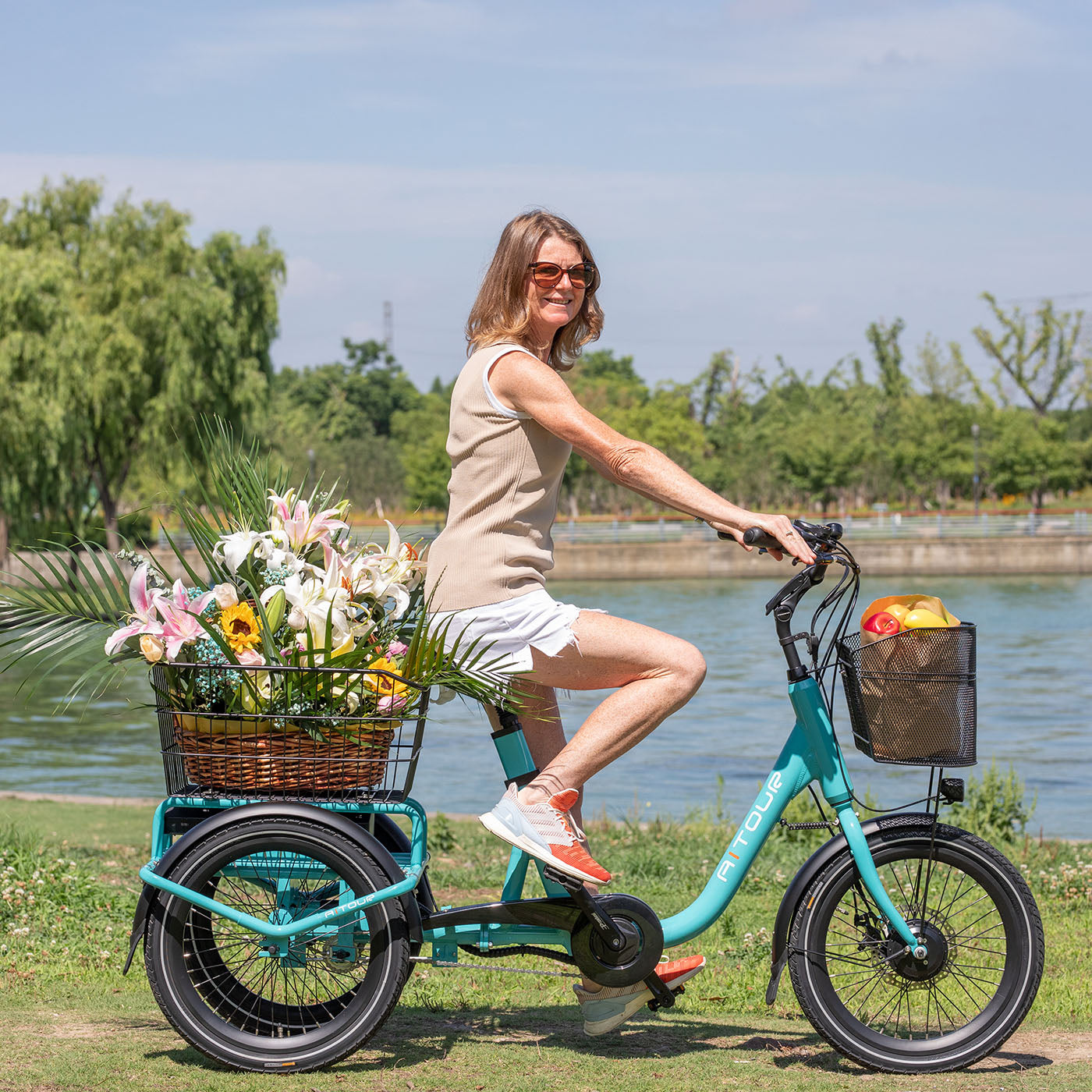
If you live in a hilly area, an electric cargo bike is a game-changer. The motor helps you zip up hills even with two kids and groceries. Pulling a trailer with a non-electric bike is a great workout, but it can be exhausting for daily commutes.
Parking and Storage: Finding Space for Your New Gear
A trailer can be folded flat and tucked under a bed or in a trunk. A cargo bike is a commitment—it’s long, heavy, and usually needs a garage or a dedicated ground-floor parking spot.
Longevity of Investment: Which Grows Better with Your Family?
Trailers generally have a weight limit that toddlers outgrow by age 5 or 6. Longtail cargo bikes can carry kids well into their primary school years, and eventually even an adult passenger!
Real-World Scenarios: Choosing What Fits Your Lifestyle
- Urban Commuting: If you are navigating tight city bike lanes and doing daycare drop-offs daily, the Cargo Bike is the winner for its "hop on and go" simplicity.
- Weekend Adventures: If you drive to a rail trail once a week and want a stroller at the end, the Trailer offers unmatched flexibility.
Maintenance and Upkeep: Keeping the Ride Smooth and Secure
Check your tire pressure weekly! Both cargo bikes and trailers carry heavy loads, and low pressure makes for a sluggish, less safe ride. Also, ensure your trailer hitch is tightened before every trip.
Final Thoughts: Following Your Heart to the Right Choice
At the end of the day, the best choice is the one that makes you feel most confident on the road. If you feel safe and relaxed, your toddler will too. Take a test ride, feel the breeze, and get ready for the best part of your day.


Leave a comment
All comments are moderated before being published.
This site is protected by hCaptcha and the hCaptcha Privacy Policy and Terms of Service apply.