
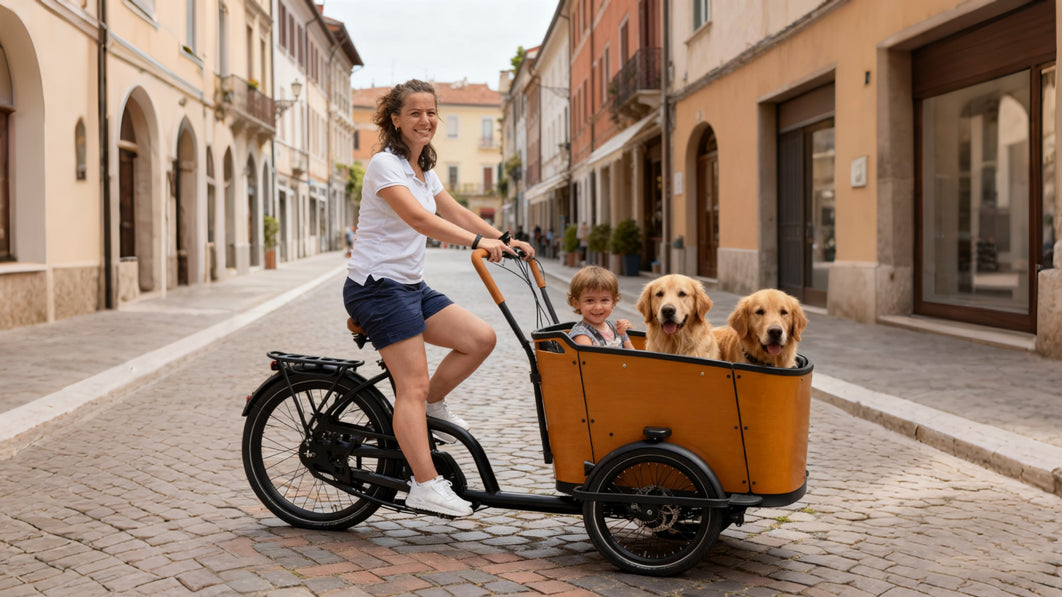
Electric cargo bikes are revolutionizing urban mobility by offering an eco-friendly, economical, and practical alternative to cars and vans. Designed to carry heavy loads, groceries, children, or even commercial deliveries, these bikes combine the traditional cargo bike’s utility with the ease of electric assistance. However, despite their growing popularity and many benefits, electric cargo bikes come with certain disadvantages that potential buyers should carefully consider before making a purchase.
In this article, we will explore what is the disadvantage of an electric cargo bike in detail, drawing insights from top Google search results and expert reviews. Whether you’re a family looking for a greener way to transport kids or a delivery professional aiming to optimize urban logistics, understanding these drawbacks will help you make an informed decision.

What Is an Electric Cargo Bike?
Before diving into the disadvantages, it’s essential to understand what an electric cargo bike is. An electric cargo bike is a motor-assisted bicycle equipped with a large cargo area, either at the front or rear, designed to carry substantial loads. The electric motor assists pedaling up to speeds of 25 km/h, making it easier to transport heavy goods or multiple passengers without excessive physical effort.
Cargo e-bikes come in different configurations:
- 3-wheeled front loaders (box bikes): Stable and spacious, ideal for families with young children.
- 2-wheeled front loaders (long johns): Agile and faster, suited for urban commuters.
- Long tails (rear-loading bikes): Versatile and budget-friendly, perfect for mixed-use and smaller loads.
Each type serves different needs but shares common advantages and disadvantages.
The Disadvantages of Electric Cargo Bikes
1. High Initial Cost
One of the most significant disadvantages of electric cargo bikes is their price. Unlike traditional bikes, electric cargo bikes are a considerable investment. Prices typically range from €2,500 to over €6,000, depending on the brand, battery capacity, motor power, and additional features.
- Entry-level models start around €2,000 to €3,000.
- Premium models with advanced batteries and motors can exceed €6,000.
This upfront cost can be a barrier for many potential users, especially when compared to regular bicycles or even some electric scooters.

2. Weight and Bulkiness
Electric cargo bikes are inherently heavier than standard bikes due to their robust frames, cargo compartments, and batteries. Weights often range between 25 kg to over 70 kg, with some three-wheeled models tipping the scales at 80 kg or more.
- Handling Challenges: The extra weight and size reduce maneuverability, making it harder to navigate tight urban spaces or crowded bike lanes.
- Storage Issues: Their bulky nature complicates indoor storage, especially in apartments or homes with limited space.
- Portability Concerns: Carrying or lifting the bike, such as onto a car rack or stairs, can be difficult or impossible without assistance.
For example, the Radwagon 5 electric cargo bike weighs about 86 lbs (39 kg), which some users found cumbersome for portability and transport.
3. Limited Battery Range and Recharging Time
Battery life and range are critical considerations for electric cargo bikes. Although improvements have been made, the battery range typically varies between 30 km and 100 km depending on load, terrain, and assistance level.
- The heavier the load, the faster the battery drains.
- Frequent stops, hills, and aggressive acceleration reduce range.
- Charging times can range from 3 to 6 hours, limiting flexibility during busy days.
This limitation makes electric cargo bikes less suitable for long-distance or heavy-duty use without access to convenient charging infrastructure.
4. Reduced Maneuverability and Stability
Due to their size and weight, electric cargo bikes require a learning curve for safe handling.
- Stability Issues: Especially with two-wheeled front loaders or long tails, the distribution of weight affects balance. Overloading or sharp turns can increase the risk of tipping.
- Braking Distance: Heavier loads mean longer stopping distances, which can surprise new riders and increase accident risk.
- Visibility Concerns: Cargo or passengers in front or rear compartments can obstruct the rider’s view, complicating navigation in traffic.
Three-wheeled models offer better stability at rest but can be cumbersome when cornering or navigating narrow streets.

5. Maintenance and Repairs
Electric cargo bikes require more maintenance than traditional bikes because of their complex components:
- Electric motors, batteries, and controllers need regular checks.
- Hydraulic disc brakes and heavy-duty gears must be maintained to handle the extra weight.
- Repairs can be costly and require specialized technicians.
Neglecting maintenance can lead to safety issues such as brake failure or motor malfunction.
6. Limited Speed and Legal Restrictions
By law, electric cargo bikes provide motor assistance only up to 25 km/h. Beyond this speed, riders must pedal without motor help. While this limit promotes safety, it restricts the bike’s use on faster roads or longer commutes.
Moreover, some regions have specific regulations about where electric cargo bikes can be ridden, affecting their usability.
Additional Considerations
- Weather Sensitivity: Riding electric cargo bikes in harsh weather (rain, snow, ice) can be challenging due to their size and weight.
- Security Risks: Due to their high value, electric cargo bikes are targets for theft, necessitating secure parking and possibly insurance.
- Learning Curve: New users may need training to handle these bikes safely, especially when carrying children or heavy cargo.

Should I Invest in a Cargo Bike?
Instead of true disadvantages, what people often see as “downsides” are simply the natural trade-offs of a cargo bike — and exactly what makes it a smarter, more practical choice for families with specific daily needs.
If you’ve gone through the characteristics of cargo bikes above and still feel a cargo bike fits your daily family needs, here are a few practical tips to help you choose the right one:
-
Choose the right model
Match the bike type to how your family actually rides — longtails are lighter and more agile for everyday city trips, while box bikes offer better stability and more space for kids and cargo.Invest in a quality battery
A higher-capacity battery gives you longer range, fewer charging cycles, and more flexibility for school runs, errands, and weekend rides — without constantly worrying about running out of power.Check carrying capacity & seating options
Make sure the bike can safely carry your kids now and in the next few years.Look at maximum payload, number of child seats, and whether the cabin or rear rack can be reconfigured as your family grows.Prioritize safety and braking performance
With extra weight and precious passengers, strong hydraulic brakes, reliable parking brakes, and stable frame geometry matter far more than top speed.Think about weather protection and daily comfort
Rain covers, canopies, windshields, and proper seat padding make a huge difference for daily school runs — especially if you plan to replace short car trips.Check size, storage and parking practicality
Before buying, measure where you will actually park the bike.Some box bikes and three-wheelers need significantly more space than a standard bike.Consider service, warranty and local support
A family cargo bike is a daily vehicle, not a weekend toy.Local service availability, spare parts and warranty coverage will directly affect long-term ownership experience.Look at adjustability for different riders
If more than one adult will ride the bike, make sure saddle, handlebar and riding position can be adjusted quickly and comfortably.
Conclusion: Are Electric Cargo Bikes Worth It?
Understanding what is the disadvantage of an electric cargo bike is crucial for making an informed purchase. While they offer undeniable benefits such as eco-friendliness, convenience, and cost savings over cars, their high price, weight, limited range, and handling challenges cannot be ignored.
For urban families, delivery professionals, and eco-conscious commuters, electric cargo bikes present a compelling alternative—provided you’re prepared to manage their limitations.
Ready to explore electric cargo bikes? Consider your specific needs, budget, and riding environment to select the perfect model. With proper care and practice, an electric cargo bike can become a reliable, sustainable partner in your daily mobility.


Laat een reactie achter
Alle reacties worden gemodereerd voordat ze worden gepubliceerd.
Deze site wordt beschermd door hCaptcha en het privacybeleid en de servicevoorwaarden van hCaptcha zijn van toepassing.