
Introduction
Owning a cargo bike is more than just having a practical mode of transportation — it’s about embracing a reliable companion that carries your groceries, kids, or gear day after day. For daily users, maintaining your cargo bike isn’t optional; it’s essential to ensure safety, longevity, and a smooth riding experience. Neglecting maintenance can lead to premature wear, safety hazards, and costly repairs. This comprehensive cargo bike maintenance schedule for daily users will guide you through simple yet vital tasks to keep your bike in top shape, whether you ride rain or shine.
Why a Maintenance Schedule Matters for Daily Cargo Bike Users
Cargo bikes endure more stress than regular bicycles. They carry heavier loads, face frequent stop-and-go city traffic, and often operate in varying weather conditions. Neglected maintenance can weaken the bike’s structure and pose traffic hazards. Daily maintenance not only protects your investment but also ensures your cargo bike delivers reliable performance every ride.

Essential Cargo Bike Maintenance Tasks and Schedule
Daily Maintenance
Simple daily checks and care can prevent many common issues:
- Wipe Down Your Bike: After each ride, use a soft cloth to clean dirt, dust, and moisture from the frame, wheels, and cargo box. Avoid high-pressure water jets that can damage bearings.
- Check Tire Pressure: Properly inflated tires reduce rolling resistance and puncture risk. Check before every ride to maintain optimal pressure within manufacturer guidelines.
- Inspect Brakes: Test your brakes for responsiveness and unusual noises. If hand brakes feel less effective, it could indicate worn pads or the need for hydraulic brake bleeding.
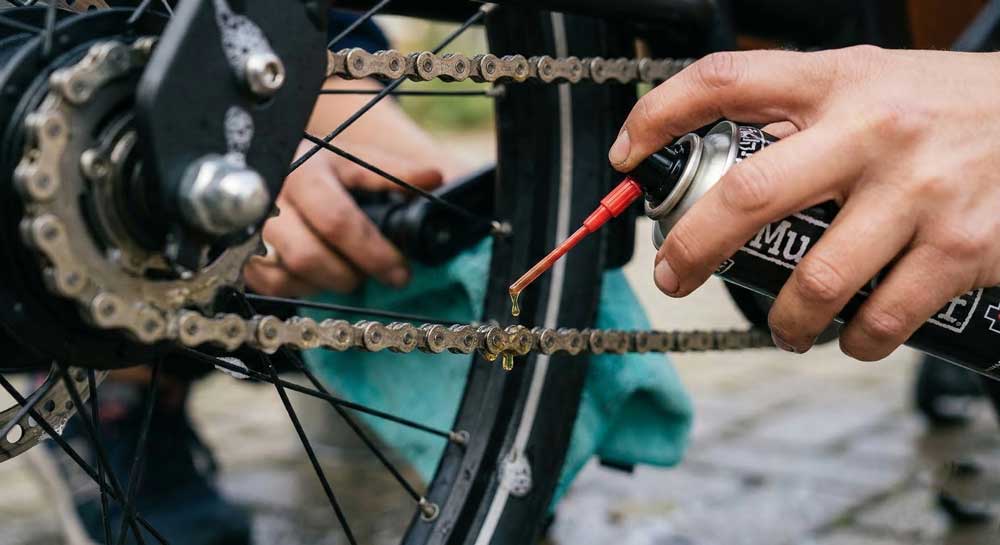
- Chain Lubrication: If you notice the chain is dry or rusty, apply a suitable cargo bike chain lubricant, focusing on the joints while rotating pedals to distribute oil evenly. Wipe off excess to avoid dust buildup (Clamber Bikes).
Weekly Maintenance
Spend 15-20 minutes on these tasks weekly to keep your cargo bike running smoothly:
- Tighten Bolts and Screws: Regularly check and tighten all screws, nuts, spokes, pedals, and crank arms to prevent loosening from vibrations.
- Deep Clean: Use a bike-specific cleaner and soft brush to clean the drivetrain and frame. Avoid letting water or cleaning agents enter bearings.
- Lubricate Moving Parts: Beyond the chain, lubricate cables, gear mechanisms, and pedal assemblies to prevent rust and ensure smooth operation.

Monthly Maintenance
A more thorough monthly checkup helps catch wear and tear early:
- Inspect Tires for Wear: Look for cracks, worn tread, or embedded debris. Replace tires showing significant wear to maintain safety.
- Check Brake Pads and Cables: Replace brake pads if worn and inspect cables for fraying or slack. Adjust or replace as necessary to maintain braking power.
- Drivetrain Inspection: Examine the chain, cassette, and chainrings for signs of wear or damage. Use a chain checker tool every 2-3 months to measure chain stretch.
- Lubricate Locks and Suspension (if applicable): Apply grease to locks and pivot points to keep them functioning properly.
Quarterly and Biannual Maintenance
Every 3 to 6 months, perform or schedule deeper maintenance:
- Wheel Truing and Spoke Tensioning: Loose spokes or a ticking wheel noise indicate the need for wheel truing to maintain stability and safety.
- Brake System Service: For hydraulic brakes, professional bleeding might be necessary to remove air bubbles and ensure optimal braking.
- Battery Care for E-Cargo Bikes: Store batteries in a cool, dry place away from extreme heat or moisture. Charge batteries monthly if unused to maintain capacity.
- Frame and Paint Inspection: Repair any paint chips or scratches immediately with lacquer to prevent rusting.
- Professional Tune-Up: Schedule a professional service to perform deep cleaning, comprehensive adjustments, and parts replacement as needed.
Seasonal Maintenance Tips
- Winter: Roads salted to prevent ice can accelerate corrosion. Rinse your bike regularly and consider switching to winter tires. Use wet lube on the chain to protect against moisture (Regen).
- Summer: Avoid exposing batteries and sensitive components to direct sunlight or extreme heat. Store your bike in shaded or indoor areas (Regen).
- Rainy Season: Use mudguards to protect the frame and drivetrain, dry your bike after rides, and apply wet lube to prevent rust (Regen).

Common Cargo Bike Issues and Quick Fixes
| Symptom | Likely Cause | Quick Fix |
|---|---|---|
| Squeaky brakes | Dirty or worn pads | Clean or replace brake pads |
| Chain skipping gears | Worn chain/cassette | Adjust or replace drivetrain components |
| Battery drains quickly | Overuse or old battery | Check charger, replace battery if needed |
| Strange front noise | Loose headset/fork | Tighten bolts, check alignment |
Pro Tips for Daily Users
- Ride Carefully: Avoid severe impacts like curbs or bumps that can weaken the frame.
- Avoid Overloading: Stick to the manufacturer’s weight limits to prevent damage.
- Store Properly: Keep your cargo bike in a rain-free environment or use a protective cover to extend its life.
 Conclusion
A well-maintained cargo bike is a joy to ride, offering safety, reliability, and longevity for daily users. By following this cargo bike maintenance schedule for daily users, you can prevent common issues, enhance performance, and protect your investment. Remember, daily care combined with regular professional check-ups ensures your cargo bike remains your trusted companion for years to come.
Ready to get started? Set reminders for daily, weekly, and monthly maintenance tasks today, and enjoy smoother, safer rides tomorrow. Share this guide with fellow cargo bike enthusiasts and keep the community rolling! Haven't got a cargo bike? Read How to Choose a Safe and Reliable Cargo Bike: A Practical Family Guide.


Laat een reactie achter
Alle reacties worden gemodereerd voordat ze worden gepubliceerd.
Deze site wordt beschermd door hCaptcha en het privacybeleid en de servicevoorwaarden van hCaptcha zijn van toepassing.