
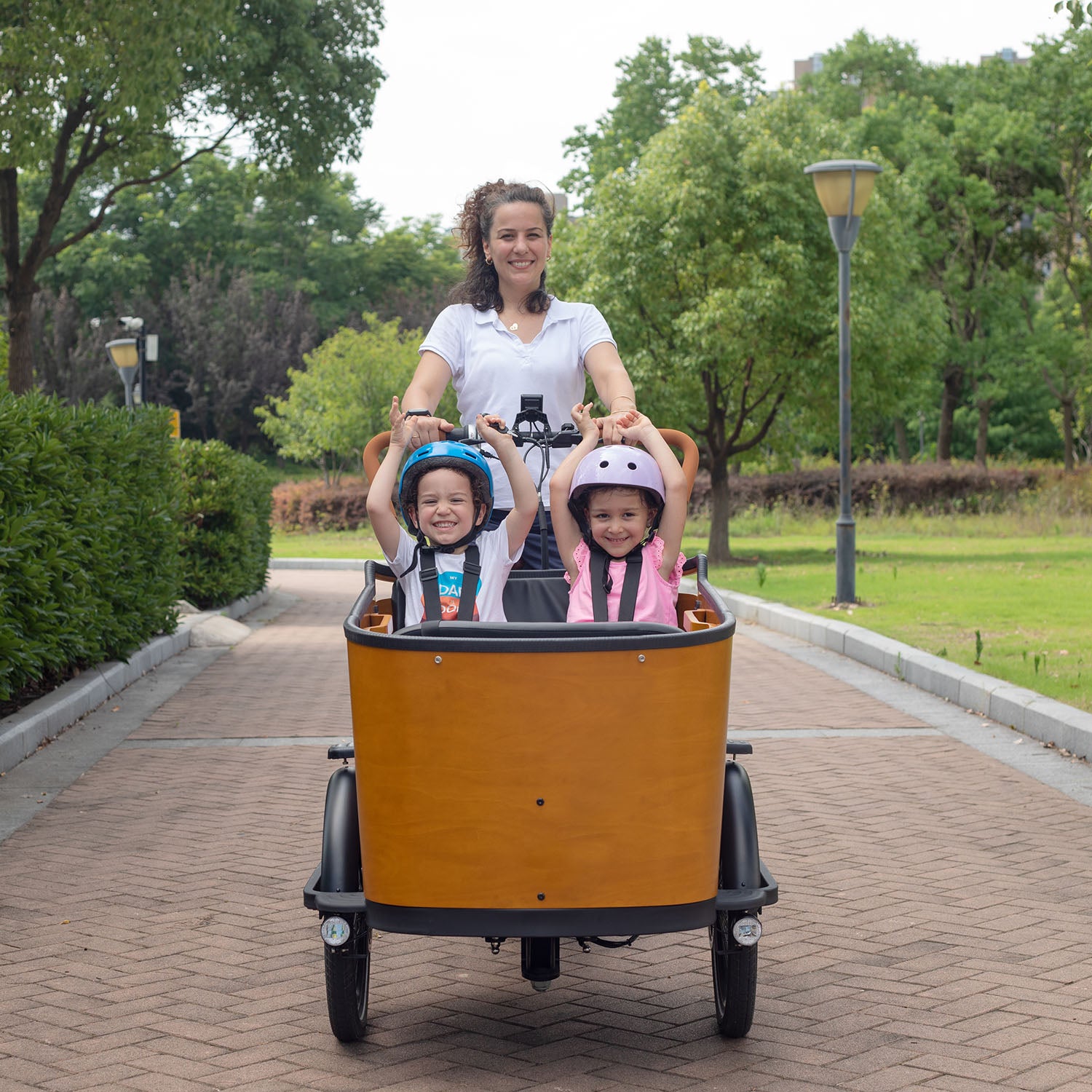
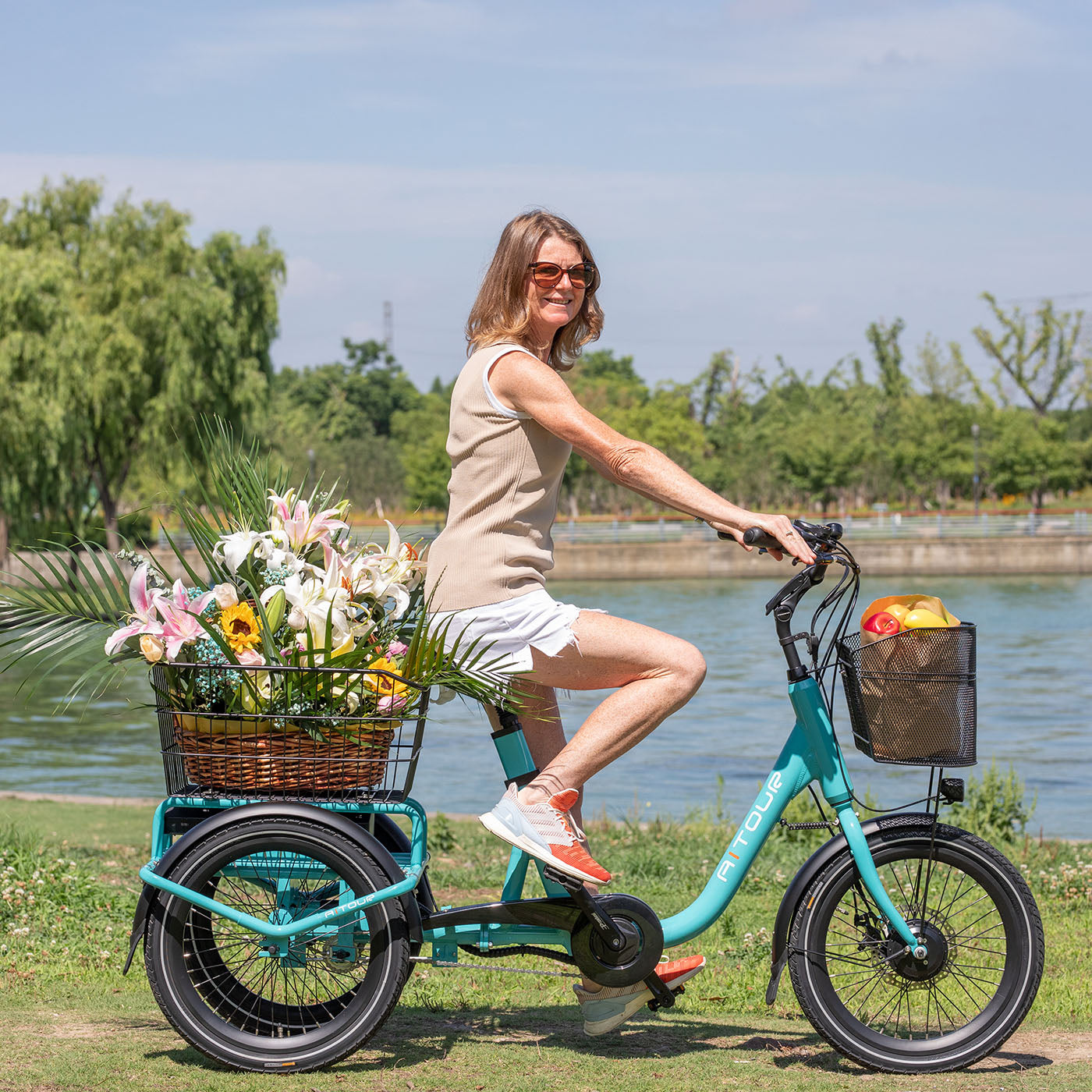
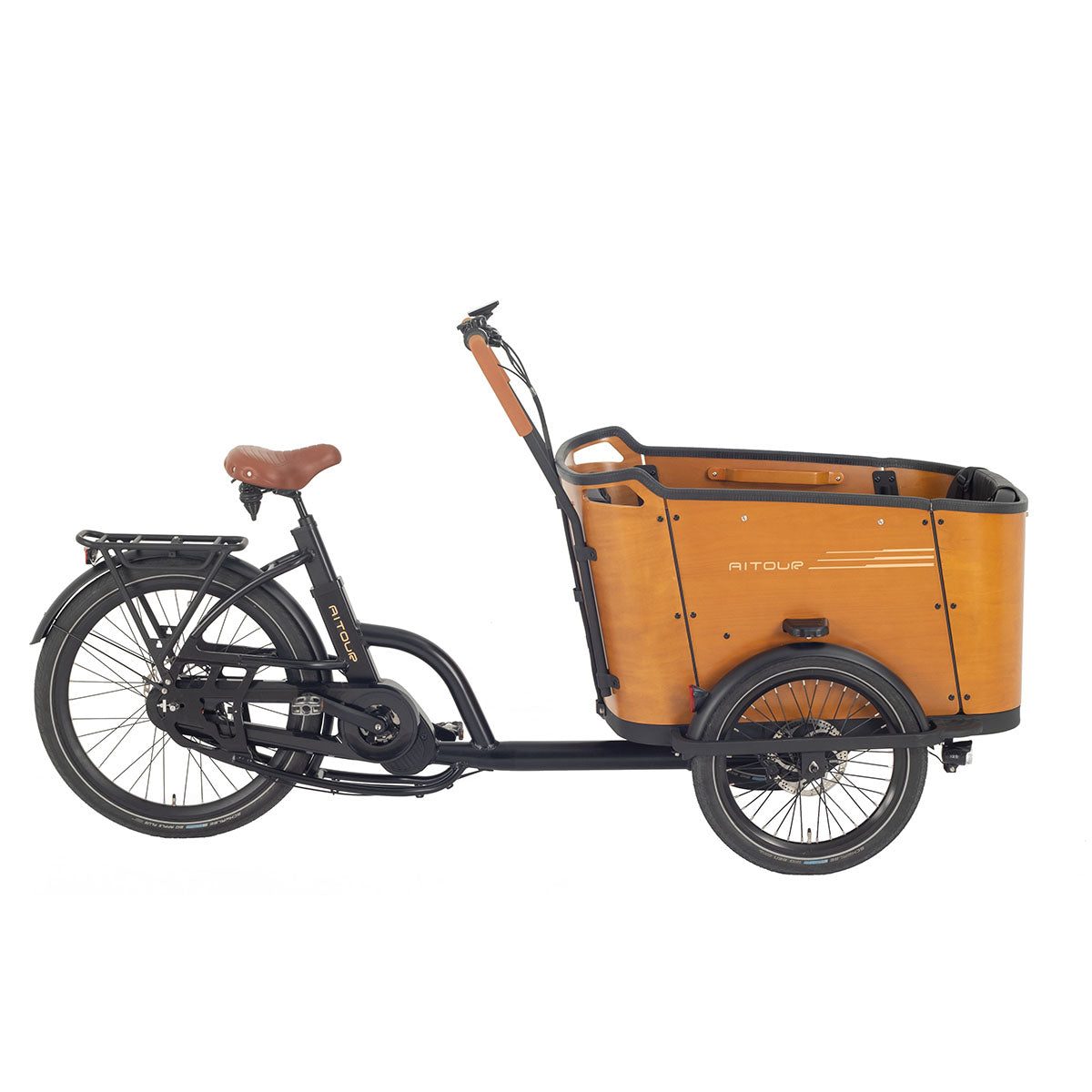
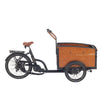
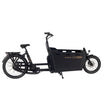
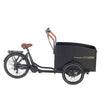
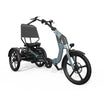
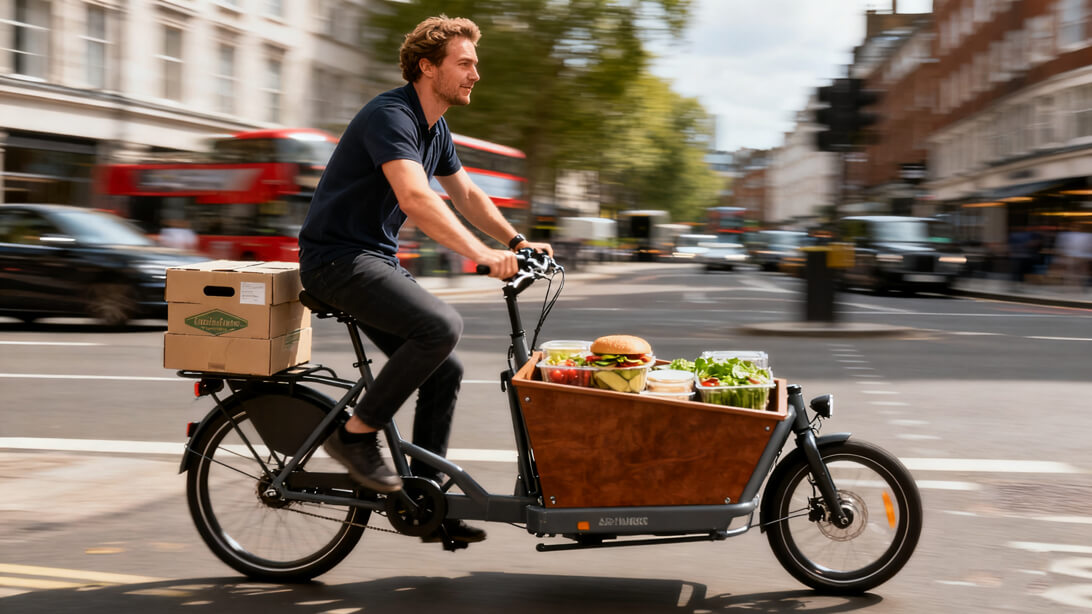
Why switching to a delivery cargo bicycle became the smartest move for my small business.
When I started deliveries, I relied on the usual mix of cars, scooters, and the occasional rented bike. It worked—kind of. But between traffic jams, parking tickets, fuel prices, and unreliable couriers, I realized something simple: I needed control, and I needed something built for dense European streets.
That’s how I ended up testing my first cargo bike delivery setup.
Not because it sounded trendy.
But because I needed something that worked every single day.
If you run a small business—food, retail, parcels, services—you might be at the same point now. Let me show you what I learned, what I messed up, and how you can start smarter.
The Leaked Secret to Cargo Bike Delivery Discovered
Here is the part nobody tells you at the beginning: the real power of a delivery cargo bike isn't just sustainability or low cost.
It’s predictability.
You can control three things that used to be pure chaos:
1. Your delivery time
Traffic doesn’t destroy your schedule anymore. You cut through queues. You park in seconds. You stay faster than vans in tight urban areas.
Most of my deliveries within a 2–4 km zone became 30–40% quicker.
2. Your delivery cost
Here’s a quick, real comparison from my own switch:
| Delivery Method | Typical Cost per Day | Real Issues |
|---|---|---|
| Car / Van | €25–€65 (fuel, parking, insurance) | Traffic, parking, high fixed costs |
| Scooter | €10–€15 | Weather dependent, load limits |
| Courier Services | €3–€8 per drop | Unpredictable timing |
| Delivery cargo bicycle / electric cargo delivery bike | €0.30–€1 (charging + minor maintenance) | Weather + capacity planning |
The difference shocked me.
With an electric cargo delivery bike, you pay practically nothing to keep it running.
3. Your delivery quality
Customers like knowing a human brings their order—not a stressed driver rushing between cars.
For food delivery, everything arrived fresher.
For parcel delivery, fragile items moved smoother because the ride is softer than a van bouncing over cobblestones.
This mix of speed, low cost, and reliability is the “secret” that converts small businesses into delivery cargo believers.

Free Advice on Cargo Bike Delivery (I Wish Someone Told Me Earlier)
This is advice you only get after sweating through weird mistakes, rainy days, broken bags, and wrong bike setups.
1. Start with your true delivery radius
Be honest about the area you want to cover.
Most small shops, cafés, bakeries, opticians, florists, pharmacies, and repair services actually work within:
2 km → ultra-fast micro-delivery
5 km → ideal for food and parcels
8–10 km → choose an electric cargo delivery bike
If your area is bigger, consider two bikes later—not a bigger vehicle.
2. Your bag matters more than your bike
Serious truth:
Your cargo delivery bag setup affects customer satisfaction as much as your bike choice.
You need:
- insulated bags for food delivery
- stable racks or front boxes for parcels
- weatherproof covers
- tie-down points
- internal dividers if you deliver mixed loads
A good bag system reduces breakage, spills, and customer complaints by 70%+.
3. Don’t go cheap on brakes
Make sure your delivery bike with cargo has:
- hydraulic disc brakes
- proper load-rated rotors
- strong frame welds
Delivery is hard on hardware.
Stopping safely with 40–80 kg onboard is non-negotiable.
4. Track your delivery time—don’t guess
Most riders feel fast.
But until I timed every drop, I didn’t realize how much time parking and loading wasted.
With a delivery cargo bike, my time became consistent. Customers noticed. That’s when repeat orders grew.
5. Weather is real—prepare for it
You need:
- decent gloves
- rain cover for cargo
- good lights
- anti-slip pedals
- fenders that actually work
You don’t need expensive gear.
Just gear that keeps you riding, not waiting.
8 Strange Facts About Cargo Bike Delivery (That Turned Out True)
I didn’t expect any of these—but they’re all real:
- People trust you more when they see your face.
Bike delivery feels more personal. - Food stays warmer in an insulated cargo box than in a car boot.
- You become faster than Google Maps predicts.
(I beat the ETA almost daily.) - Customers like being part of something sustainable.
It becomes part of your brand. - Police never bother you about parking.
Because you don’t block anything. - Your bike becomes a moving billboard.
I got new orders just because people saw me ride. - Batteries last longer than the manufacturer claims when loads are moderate.
- Drivers respect you more when they see large cargo bikes vs. small regular bikes.
Strange, but true.
Learn From Real Delivery Mistakes (Cargo Bike Edition)
What can one learn from others’ mistakes in cargo bike delivery? A lot.
Here are the biggest issues I’ve seen small businesses make when they launch their first delivery cargo bicycle setup:
Mistake #1 — Choosing the wrong bike type for the job
Here’s a simple truth most ignore:
Different delivery services need different bike designs.
| Delivery Type | Best Bike Style | Why |
|---|---|---|
| Food delivery | Front-loading electric cargo bike | Fast access, stable with bags |
| Parcel delivery | Long john or longtail cargo bike |
Longer loads, secure boxes |
| Local store (2–5 km radius) | Compact delivery cargo bike | Agile in traffic, easy parking |
| Heavy loads (e.g., beverages, tools, equipment) | Three-wheel delivery cargo bike | Balance + capacity |
Choosing the wrong type makes your job harder every single day.
Mistake #2 — Underestimating load stability
A great delivery bike with cargo still fails if the load wobbles.
Wobbles slow you down.
Wobbles break things.
Wobbles make customers unhappy.
Stabilize your cargo properly.
Mistake #3 — Thinking electric is optional
If your delivery volume is daily or your area has even mild hills, go electric.
Your knees will thank you.
Your schedule will thank you.
Your business will thank you.
Mistake #4 — Not training whoever rides
Delivery riders aren’t cyclists.
They need:
- turning practice
- braking distance awareness
- loading & unloading routines
One hour of training prevents months of trouble.
How to Choose the Right Cargo Bike for My Delivery Service
Choosing a delivery cargo bike is easier when you start from needs—not looks.

1. Your daily load
If your bag or box is:
- under 20 kg → compact cargo bike works
- 20–60 kg → longtail or long john
- 60–100+ kg → 3-wheel design
2. Your terrain
Hills = electric.
Flat = manual is possible but electric still wins long-term.
3. Your storage space
Don’t ignore this.
A long john needs 2.3–2.6m.
Compact bikes fit almost anywhere.
4. Your weather reality
If you’re in northern Europe, you need real fenders, waterproof boxes, and strong lights.
5. Your business model
Food → front access
Parcels → long base
Local store deliveries → compact + box
Heavy goods → 3-wheel stability
The Business Impact: Why European SMEs Are Switching to Delivery Cargo Bikes
In the European market, the fastest-growing users of bike delivery setups are:
- bakeries
- cafés & coffee shops
- restaurants (hot meals + cold meals)
- organic markets
- florists
- bookshops
- local pharmacies
- hardware & repair services
- convenience stores
- boutique retailers
- local “Meals on Wheels” / elderly meal delivery
- subscription box brands
- local farm-to-home food delivery
- parcel drop services

If your business handles anything within a 1–10 km radius, a delivery cargo bike doesn’t just “work”—
it beats every other local transport option.
For Larger Fleets, Logistics Teams, or City Delivery Operators
(Short section for your external link)
If you're part of a bigger Transportation and Logistics operation, running a fleet, or expanding a shared bike delivery service, there’s another path:
custom ODM cargo bike development.
Experienced factories can design:
- high-volume electric cargo delivery bike fleets
- specific boxes for meal delivery
- branded delivery cargo bicycle enclosures
- heavier-load long john or three-wheel cargo bikes
- modular racks for parcel routing
This is ideal if you want to scale fast or need bikes tuned to your city’s rules or business model.
Final Advice: Start Now, Start Small, Start Smart
Cargo bike delivery isn’t a trend.
It’s a practical solution for real business problems: high costs, slow delivery, urban congestion.
Start with one bike.
Measure your speed and savings.
And watch how quickly your local customers notice the difference.
Because once you switch, you’ll realize what I did:
Your delivery cargo bike becomes part of your business identity—and one of the most predictable tools you own.

Hinterlasse einen Kommentar
Alle Kommentare werden vor der Veröffentlichung geprüft.
Diese Website ist durch hCaptcha geschützt und es gelten die allgemeinen Geschäftsbedingungen und Datenschutzbestimmungen von hCaptcha.